
Discover the history, traditions, and distinctive beauty of Korean ceramics.
An Introduction to Korean Ceramics
Korean ceramics are more than objects made from clay. They are a reflection of Korea’s history, aesthetics, and relationship with the natural world. Across centuries, Korean potters have transformed simple materials into vessels that express both everyday practicality and artistic sensibility.
From the soft green hues of Goryeo celadon to the understated elegance of Joseon white porcelain, Korean ceramics have developed a distinctive character shaped by changing dynasties, cultural exchange, technological innovation, and evolving ideas of beauty.
Today, these ceramics continue to inspire collectors, artists, designers, and anyone interested in the enduring relationship between craftsmanship and everyday life.
A Brief History of Korean Ceramics
The history of Korean ceramics spans thousands of years. Early pottery was closely connected to daily life, serving practical needs such as storing food, cooking, and carrying water. Over time, ceramic production became increasingly sophisticated, reflecting developments in technology, society, and artistic expression.
Goryeo Dynasty: The Beauty of Celadon
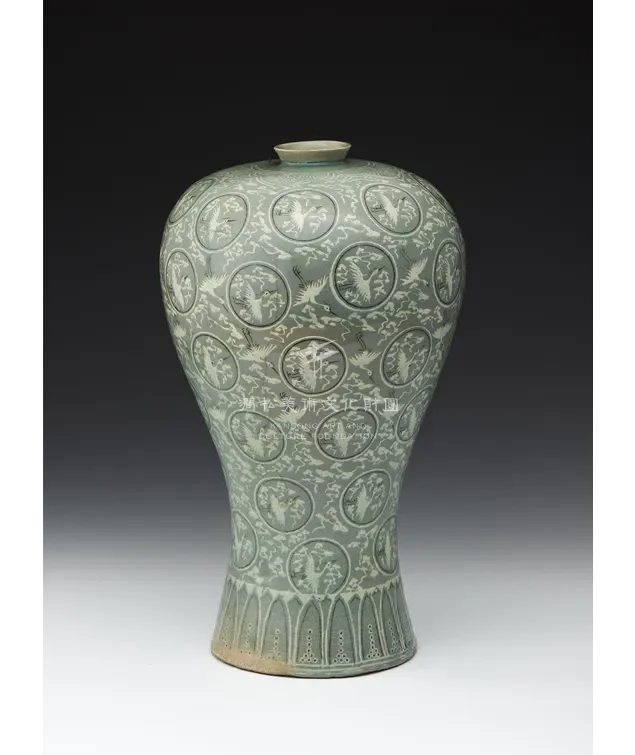
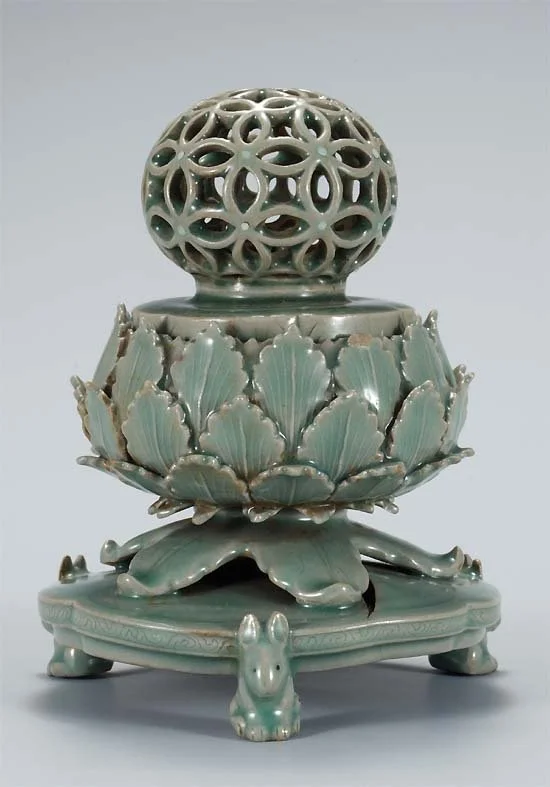
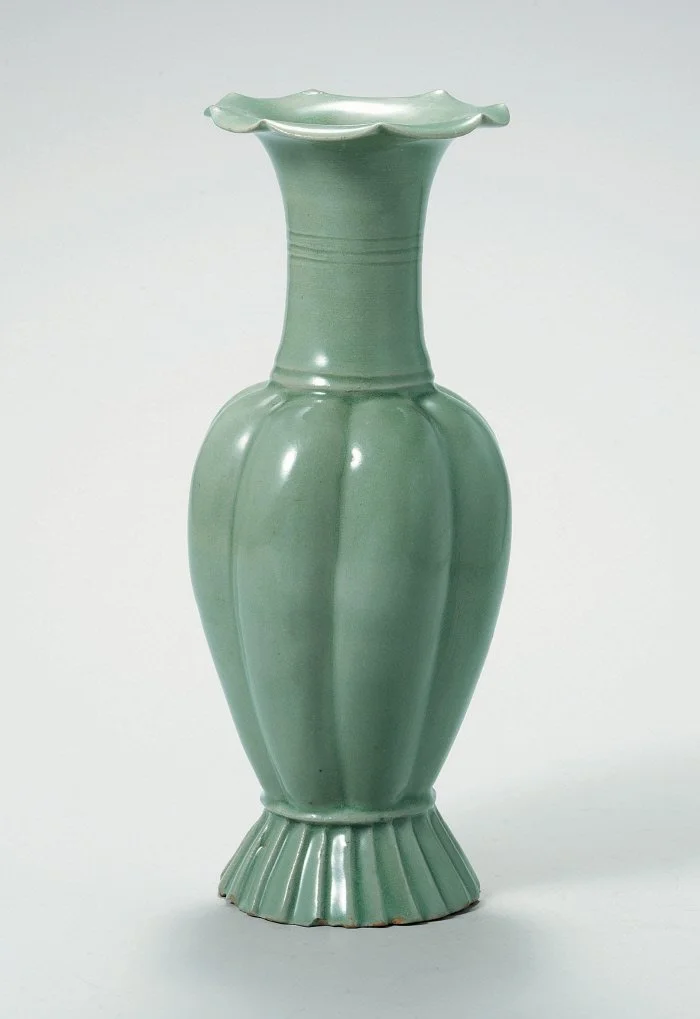
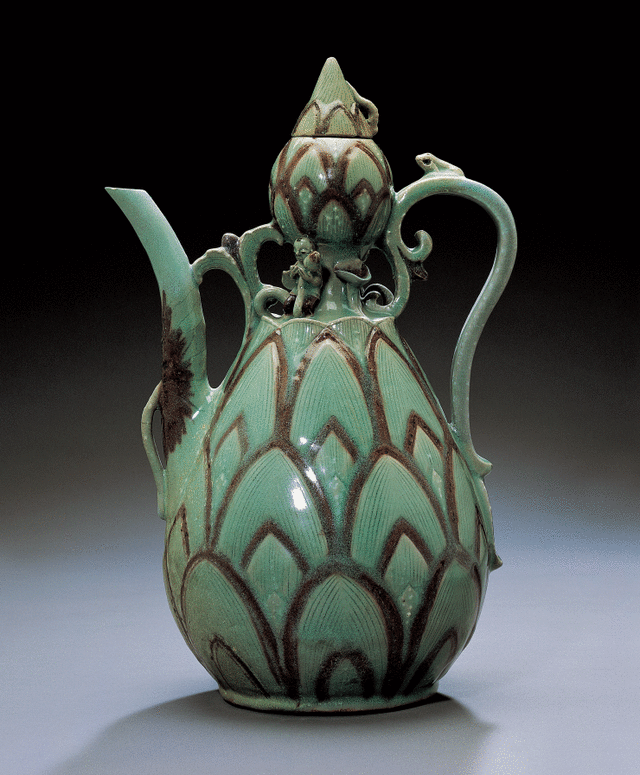
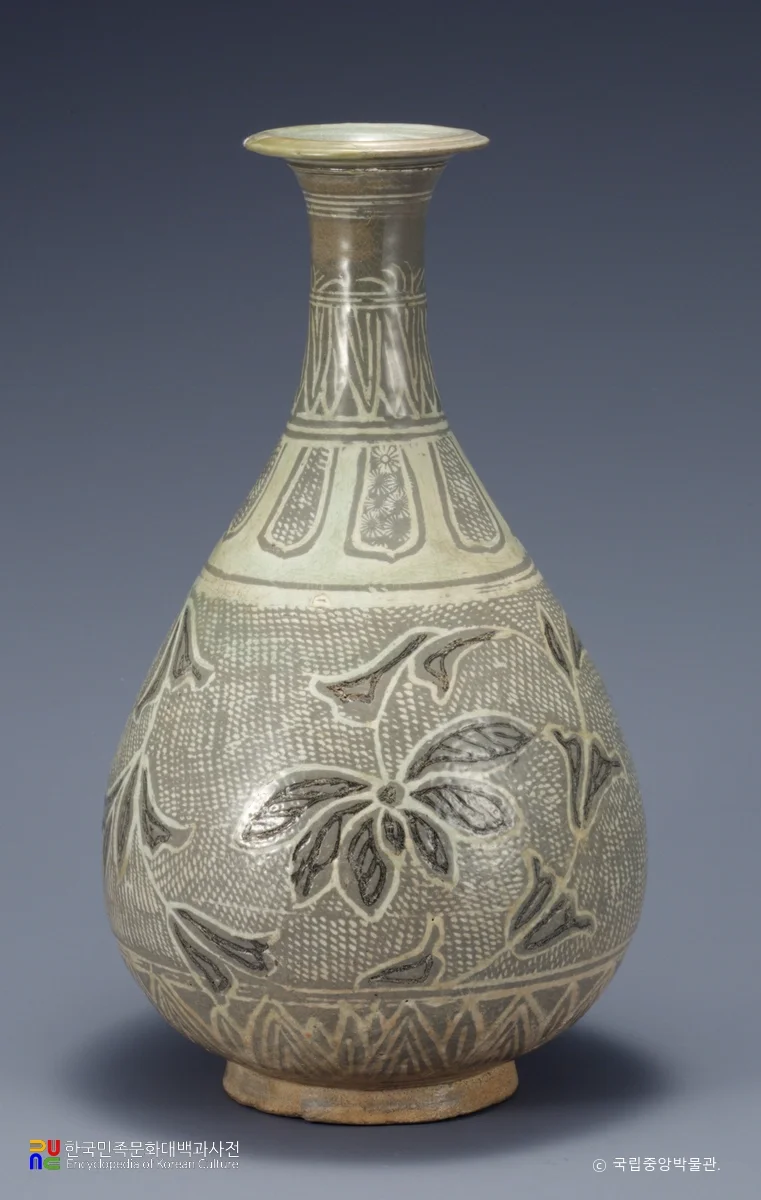
During the Goryeo Dynasty (918–1392), Korean celadon reached remarkable artistic heights. Recognized for its subtle green glaze, often described as jade-like, Goryeo celadon is celebrated for its refined forms and delicate decorative techniques.One of its most distinctive features is sanggam, an inlay technique in which patterns are carved into the clay and filled with contrasting slips before glazing. Cranes, clouds, flowers, and other natural motifs frequently appear in these designs.
Goryeo celadon represents a sophisticated balance between technical mastery and visual restraint, making it one of the most celebrated achievements in Korean ceramic history.
Buncheong: A Special Tradition in Transition
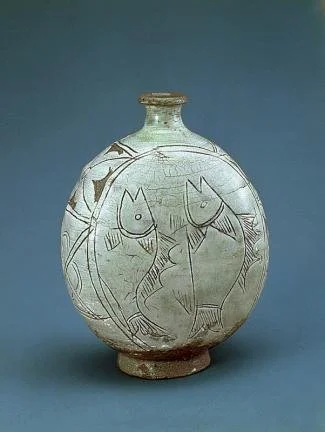
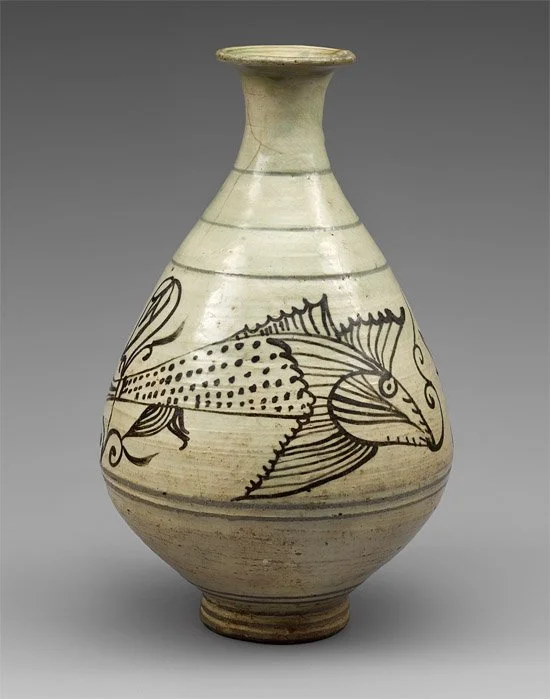
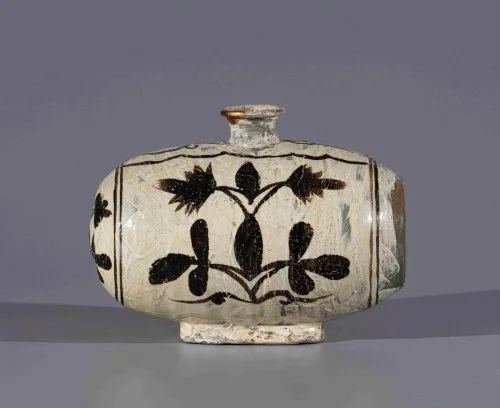
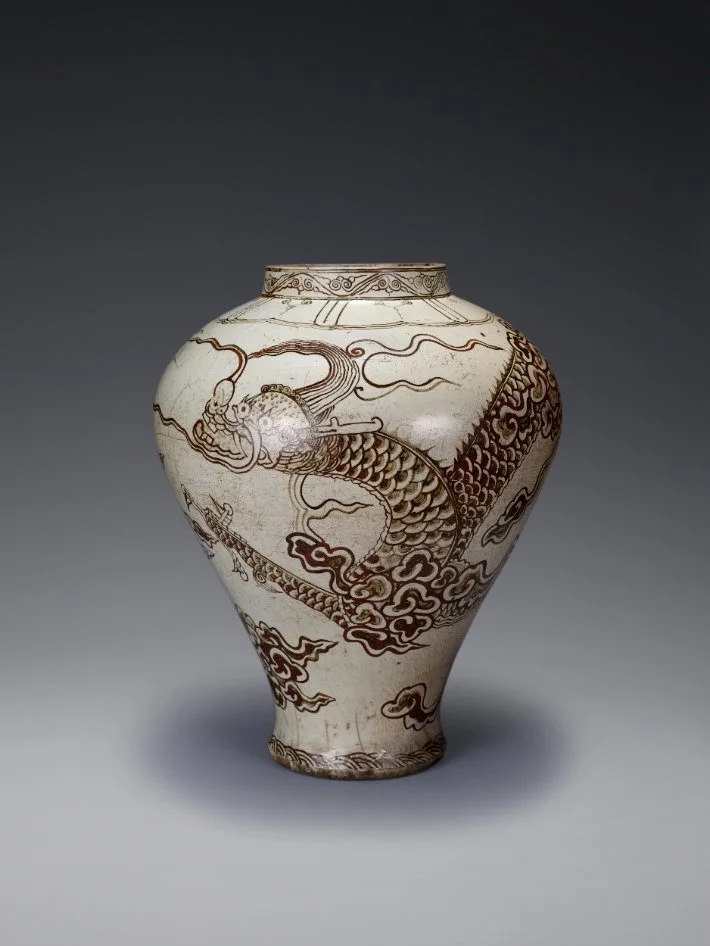
Buncheong ware holds a unique place in Korean ceramic history. Emerging from the celadon traditions of late Goryeo, it flourished during the early Joseon Dynasty, reaching its height in the 15th century. It represents a special transitional tradition between celadon and white porcelain.
Typically made from grayish clay coated with white slip, buncheong ceramics feature expressive decorations created through techniques such as stamping, incision, inlay, and brushing. Their lively patterns and spontaneous surfaces distinguish them from the refined elegance of celadon and the restrained simplicity of white porcelain.
As white porcelain production expanded in the late 15th century, buncheong gradually declined. Yet, during its relatively brief period of prominence, it developed a distinctive artistic identity, capturing a moment of change and creativity in Korea’s ceramic heritage.
Joseon Dynasty: The Elegance of White Porcelain
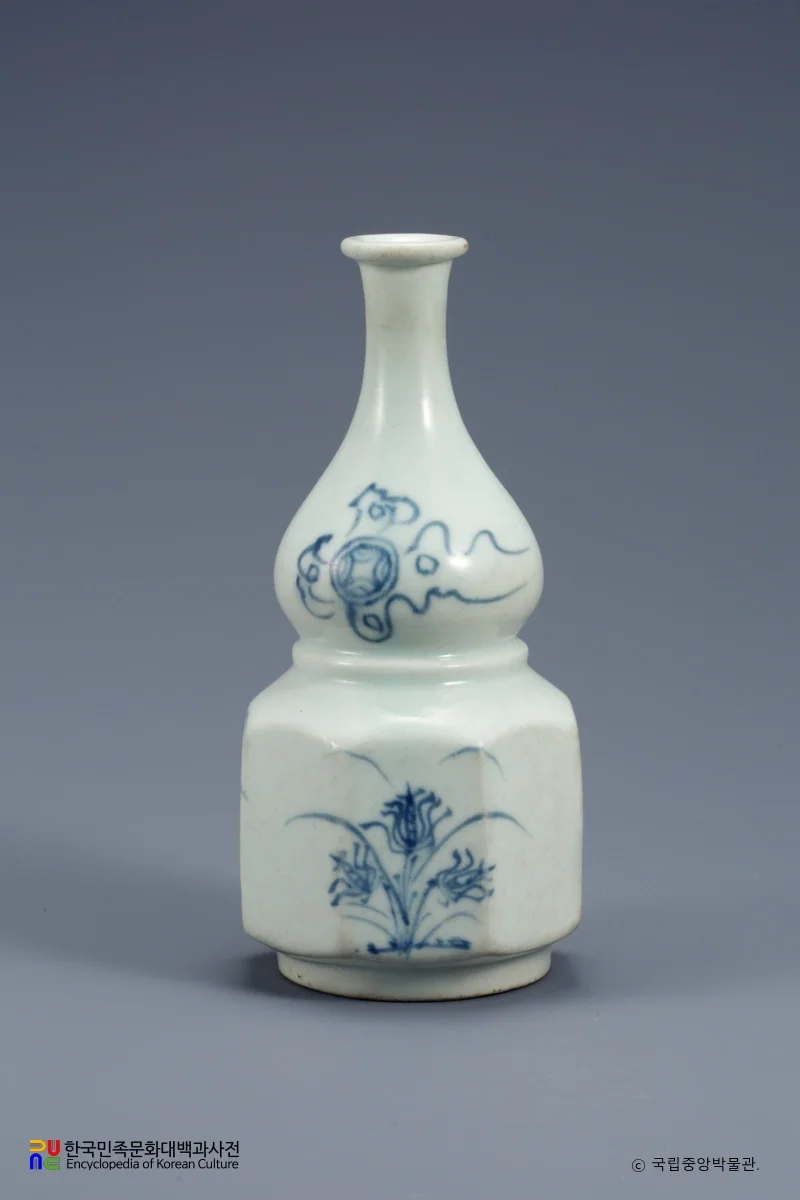
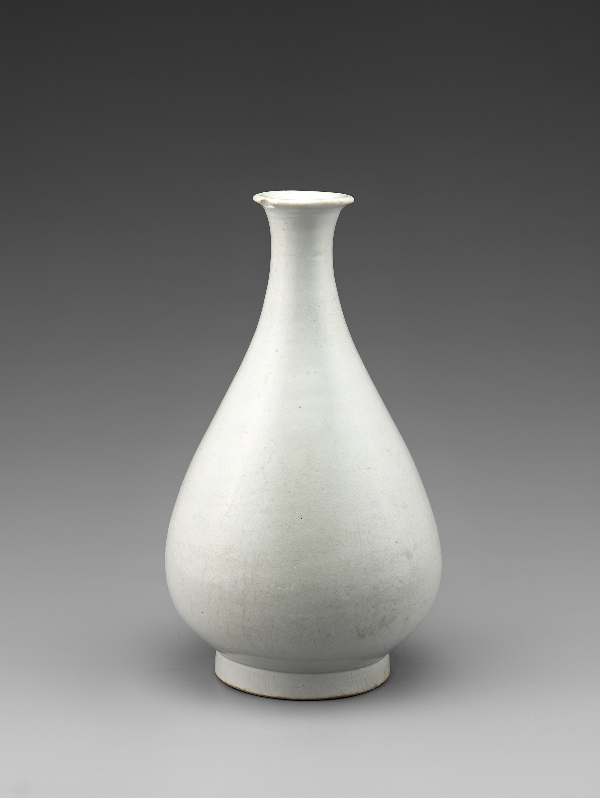
The Joseon Dynasty (1392–1897) brought new ceramic ideals to prominence. Influenced in part by Neo-Confucian values, Joseon ceramics often favored clarity, simplicity, and restrained decoration.
White porcelain became particularly important during this period. Its clean surfaces, balanced proportions, and quiet presence reflect an aesthetic that values harmony over excess.
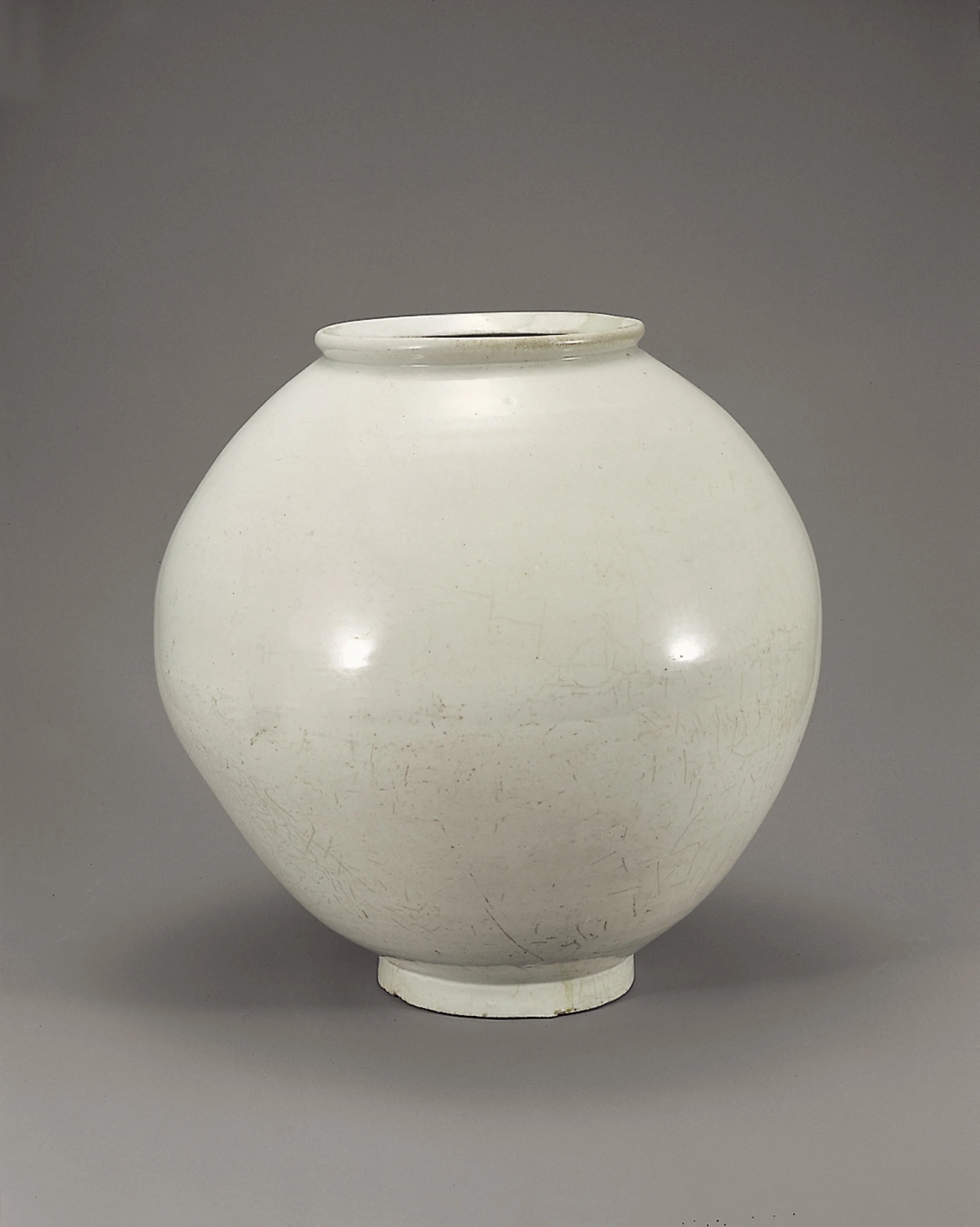
The moon jar, or dalhangari, is perhaps the best-known example. With its rounded silhouette, softly uneven surface, and subtle variations in white, the moon jar embodies a beauty that feels natural rather than perfectly controlled.
The Aesthetic of Korean Ceramics
What makes Korean ceramics distinctive is not simply their appearance, but the sensibility behind their forms.
A sense of naturalness. Slight asymmetries, uneven surfaces, and subtle variations are often embraced rather than concealed. These qualities give many Korean ceramics a sense of life and individuality.
Restraint and balance. Decoration is frequently used with intention, allowing the shape, material, and glaze to remain central to the experience of the object.
A connection to everyday life. Bowls, jars, bottles, and other vessels were made to be used as well as admired. Their beauty often emerges from the relationship between function, touch, and form.
The presence of the maker. Brush marks, glaze variations, and traces of the firing process reveal the interaction between the potter, the material, and the kiln. Rather than always seeking absolute uniformity, many Korean ceramic traditions leave room for the unexpected.
These qualities offer a way to appreciate Korean ceramics beyond historical periods or decorative styles. They invite us to pay attention to the subtle character of each object.
Korean Ceramics Today
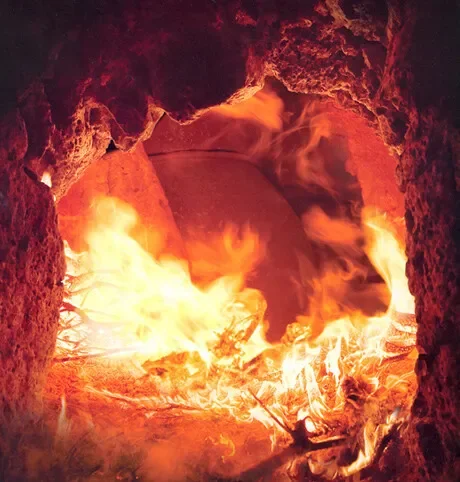
Korean ceramics continue to evolve through the work of contemporary ceramic artists and craftspeople. While some embrace modern technologies, including electric kilns, to explore new possibilities in form, glaze, and firing, others remain deeply committed to traditional methods, using wood-fired kilns and natural materials to preserve the techniques and sensibilities passed down through generations.
These different approaches coexist in today’s ceramic landscape. Modern tools offer greater control and new creative possibilities, while traditional wood firing embraces the unpredictable effects of flame, ash, and atmosphere, allowing nature itself to become part of the making process.
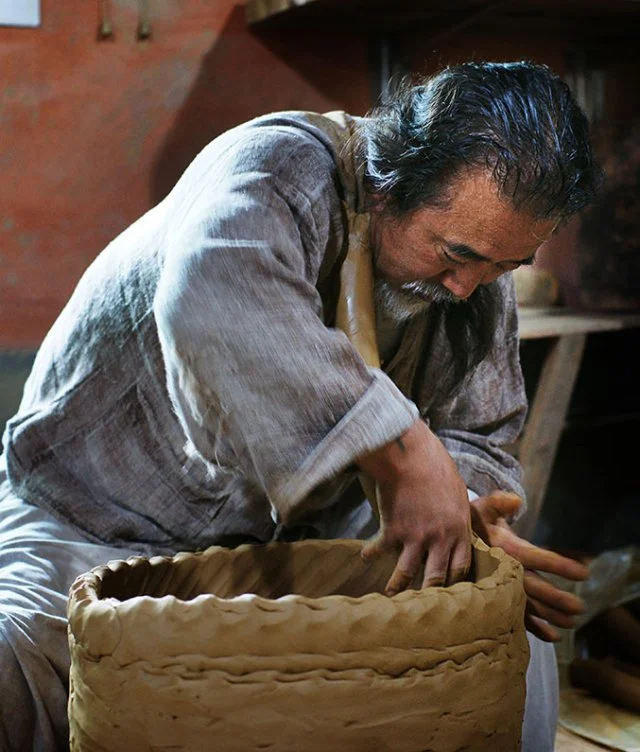
For many potters, traditional techniques are not simply a way of recreating the past, but a living practice that continues to inspire contemporary expression. The choice of materials, the type of kiln, and the relationship between the maker and the firing process all contribute to the distinctive character of each piece.
Today, Korean ceramics exist at the intersection of tradition and innovation. Whether shaped by modern technology or created through time-honored methods using natural materials and wood-fired kilns, they reflect an ongoing dialogue between heritage, craftsmanship, and individual artistic vision.
A Continuing Journey
To explore Korean ceramics is to discover a history shaped by material knowledge, cultural change, and a distinctive appreciation for form and surface.
But the story of Korean ceramics extends beyond their shapes, glazes, and techniques. Behind many remarkable pieces lie fascinating episodes, unexpected discoveries, historical anecdotes, and stories of the people who made, used, and treasured them.
In future articles, we will explore individual ceramic traditions, techniques, and iconic works, while also sharing the stories and episodes that bring these objects to life. From the historical circumstances surrounding a particular vessel to the intriguing details hidden in its form, each story offers another way to understand and appreciate Korean ceramics.
Whether encountered in a museum, a traditional workshop, or a contemporary home, these objects invite us to look more closely and discover the stories they carry.
This is the beginning of a journey into Korean ceramics — their history, their beauty, and the fascinating stories behind them.
