
How firing temperature transforms clay into different kinds of ceramics.
Introduction: The Role of Fire in Ceramics
Every ceramic begins with clay, but what determines whether it becomes an everyday earthenware vessel, a traditional onggi jar, or a delicate piece of porcelain?
One of the most important factors is fire.
Firing transforms soft clay into a durable material, changing its color, hardness, density, and ability to absorb water. Depending on the clay, firing temperature, and atmosphere inside the kiln, the same basic material can produce remarkably different results.
As a starting point, Korean ceramics can be explored through two broad groups: earthenware, generally associated with lower firing temperatures, and high-fired ceramics. Although their firing ranges overlap, understanding these groups offers a useful introduction to the diversity of Korean ceramics.
1. From Earthenware to High-Fired Ceramics
Earthenware is generally fired at relatively low temperatures, often around 900–1,200°C, although the exact range varies according to the clay and the intended result.
At these temperatures, the clay hardens but usually remains more porous than high-fired ceramics. This porosity can be useful for certain purposes, depending on how the vessel is made and finished.
Earthenware has long been closely connected to everyday life in Korea. From cooking and food storage to agricultural and household uses, it provided practical vessels suited to the needs of ordinary people.
Around 800-1,000°C: The Foundations of Traditional Pottery
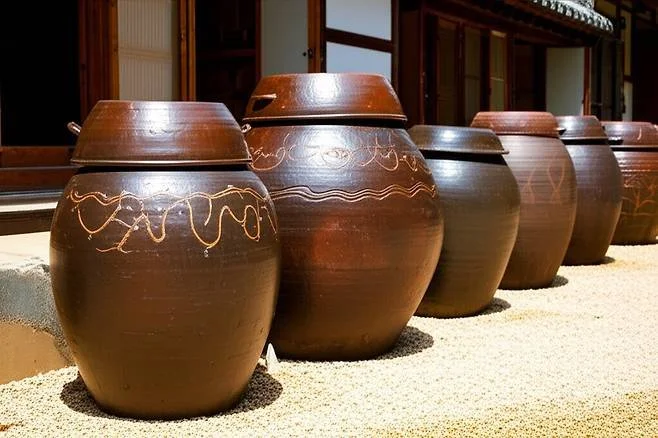
One of the most distinctive examples of Korean earthenware is onggi, the traditional pottery used for storing and fermenting food.
Traditionally made using local clay and fired in kilns, onggi often has an earthy appearance, with colors ranging from brown to dark reddish-brown. Depending on the type of vessel and regional tradition, some onggi is left unglazed, while other pieces receive a natural ash-based glaze.
Unlike dense, highly vitrified ceramics such as porcelain, traditional onggi has a porous structure that allows limited air exchange through its microscopic pores. This is why onggi is often described as “breathing” pottery.
This breathability makes onggi particularly well suited to fermentation. It helps create a favorable environment for traditional Korean foods such as kimchi, doenjang, and gochujang to mature over time. More than a simple storage vessel, onggi reflects generations of knowledge about the relationship between clay, air, moisture, and food.
Around 1,000–1,400°C: High-Fired Stoneware and Ceramics
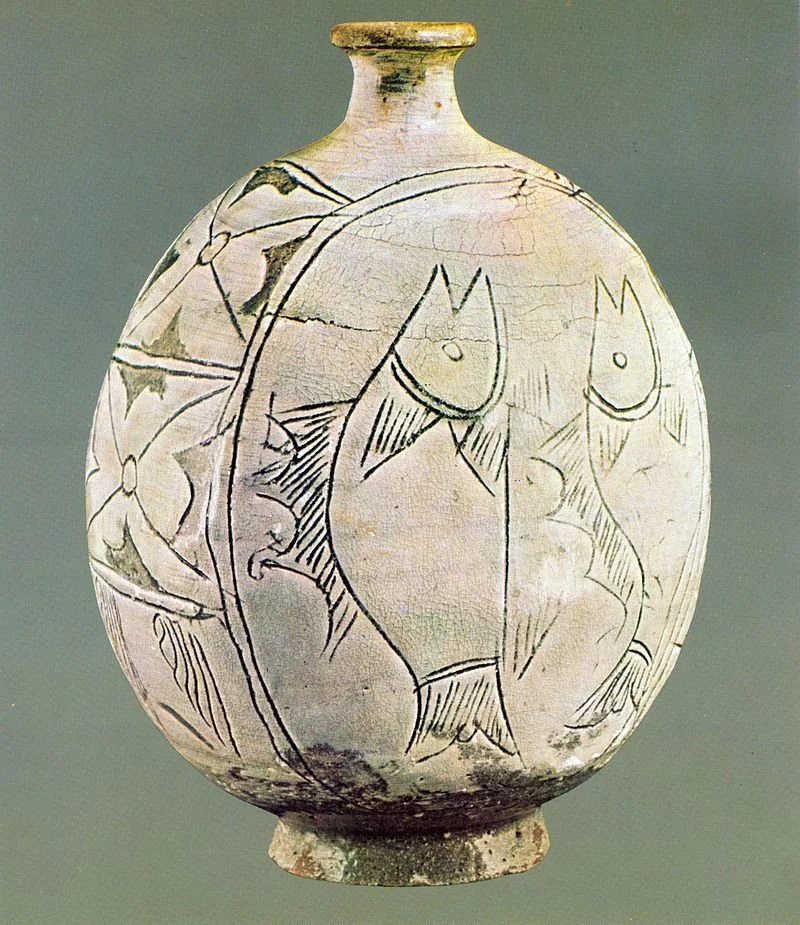
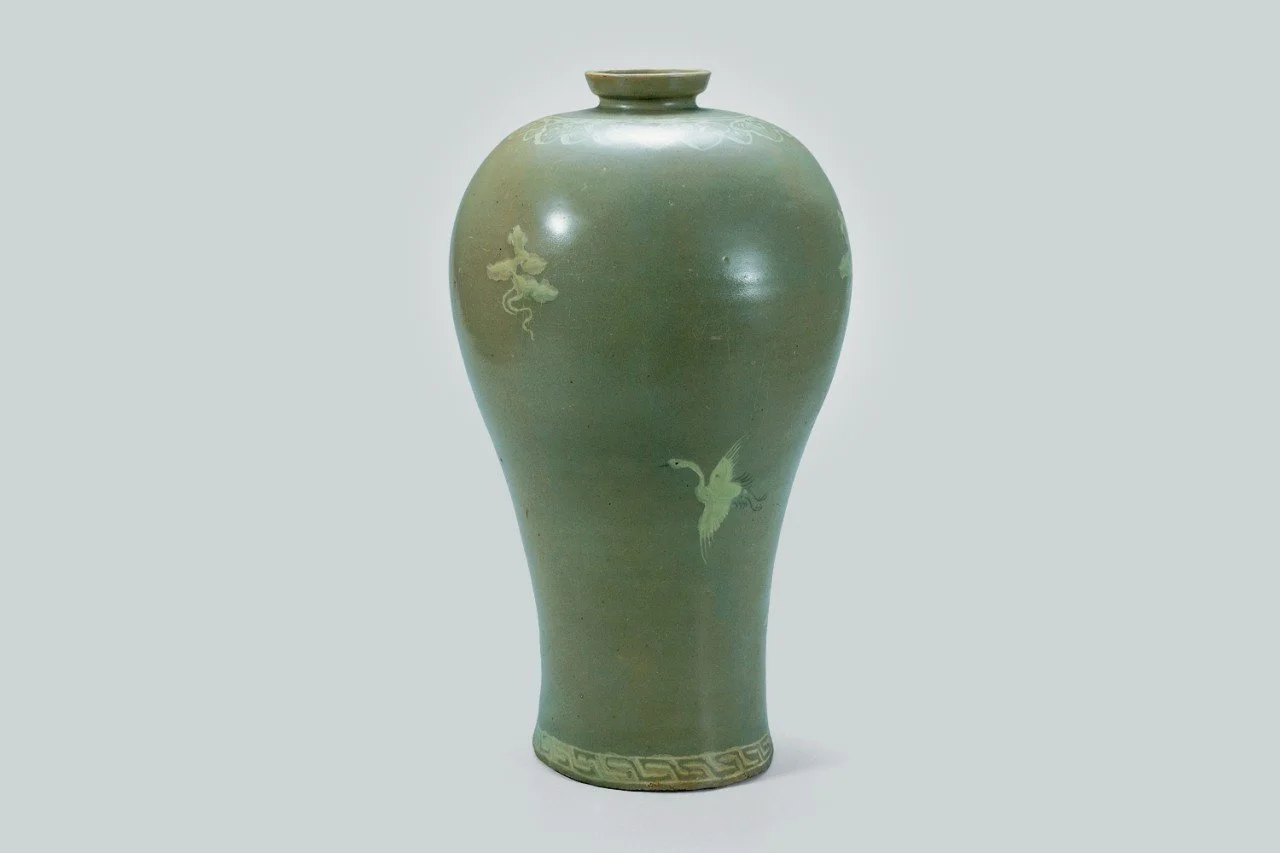
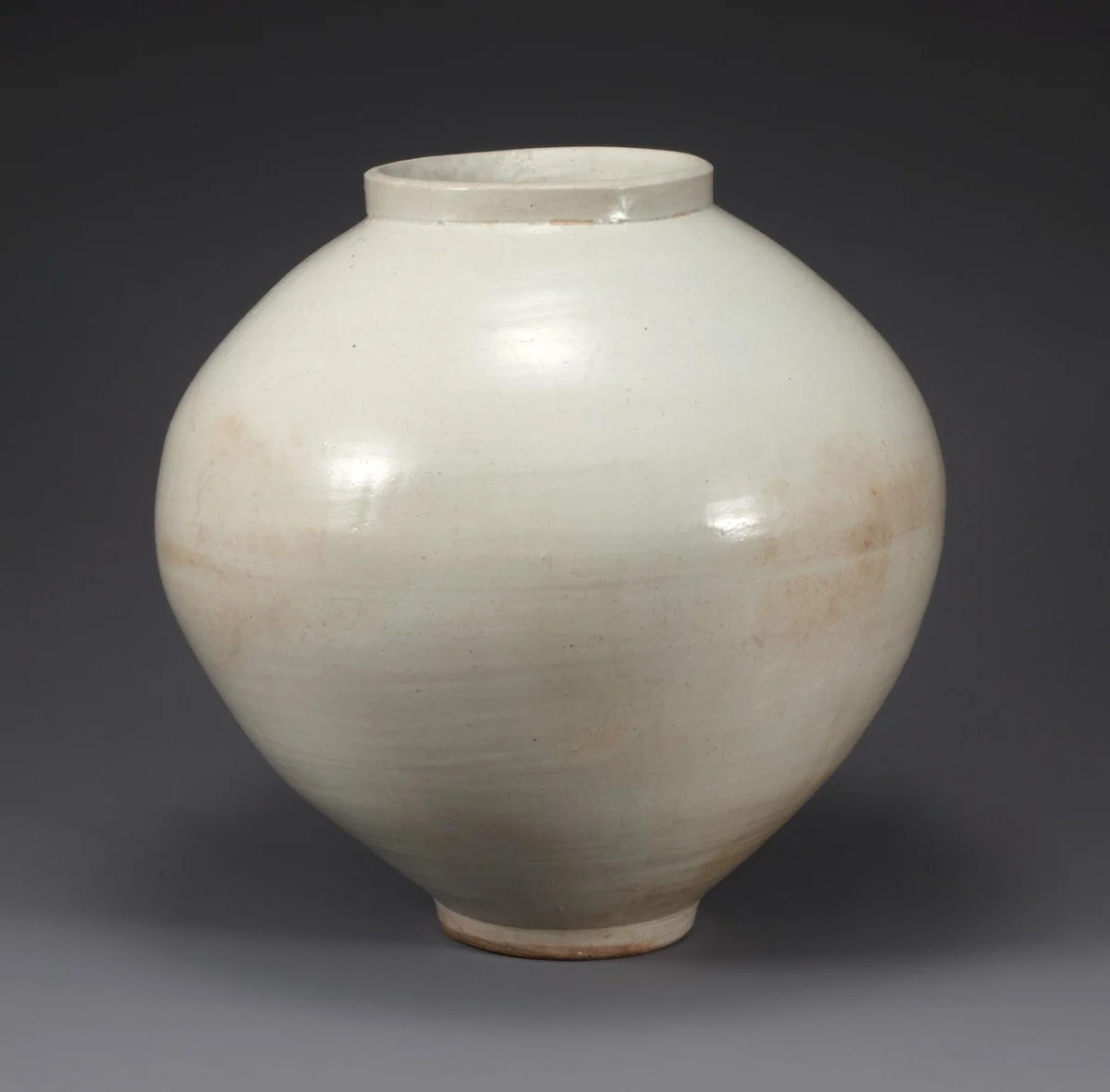
Fired at higher temperatures (often over 1,000°C), many ceramics become harder, denser, and less absorbent as their clay bodies undergo vitrification. The final result depends on the clay, glaze, and firing conditions, rather than temperature alone.
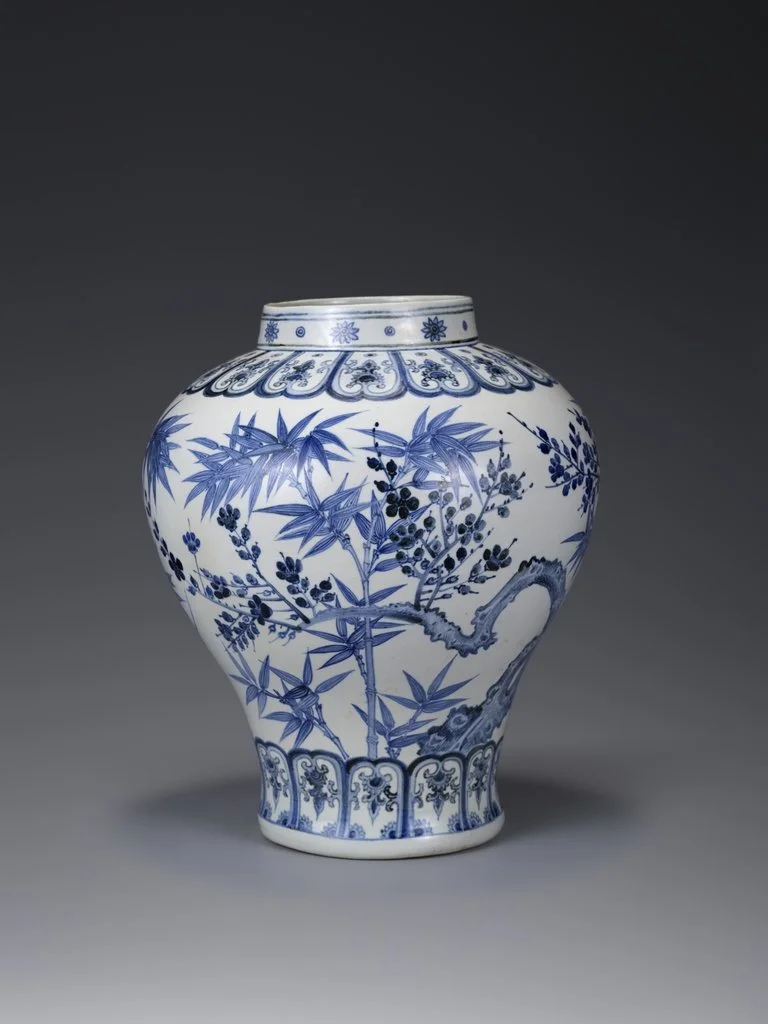
Korean ceramics encompass a variety of distinctive traditions, including Goryeo celadon, buncheong ware, Joseon white porcelain, and black-glazed ceramics, each reflecting different materials, techniques, and aesthetic qualities.
3. Why Firing Temperature Matters
Firing temperature plays a crucial role in transforming clay into ceramics, influencing their hardness, density, color, and water absorption. Alongside the type of clay, glaze composition, firing duration, and atmosphere inside the kiln, temperature is one of the key factors that shape the final character of a ceramic piece.
Generally, lower firing temperatures produce less vitrified and more porous ceramic bodies, while higher temperatures can lead to greater density and hardness when the clay is suited to the firing conditions.
The following table offers a simplified guide to how firing temperature influences the characteristics of ceramics and their use in Korean ceramic traditions.
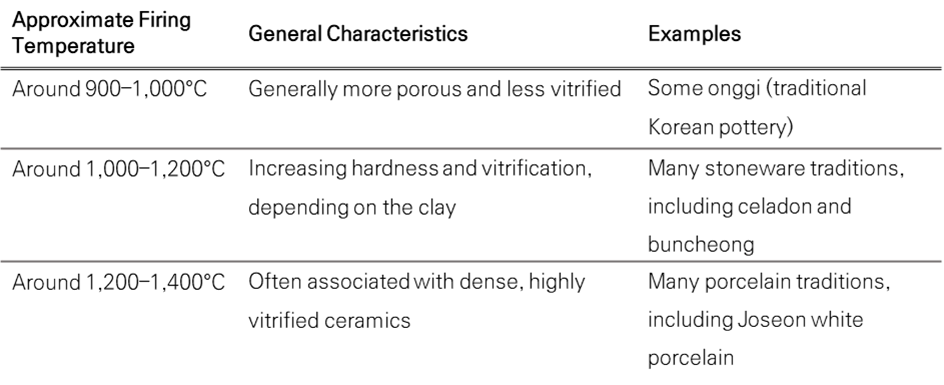
Note: These ranges are illustrative rather than strict boundaries. Some onggi is fired above 1,000°C, and stoneware and porcelain can have overlapping firing ranges. A ceramic cannot be reliably identified by firing temperature alone.
4. Ways of Firing Ceramics
Today, electric and gas kilns are widely used in ceramic production, offering greater control over firing temperatures and conditions. Yet across Korea, many ceramic artists continue to embrace the demanding traditional method of wood firing, using pine wood to fuel their kilns. Through this time-honored process, they allow the movement of flames, shifting temperatures, and naturally deposited wood ash to shape each piece, creating surfaces and forms that cannot be entirely predicted or replicated.
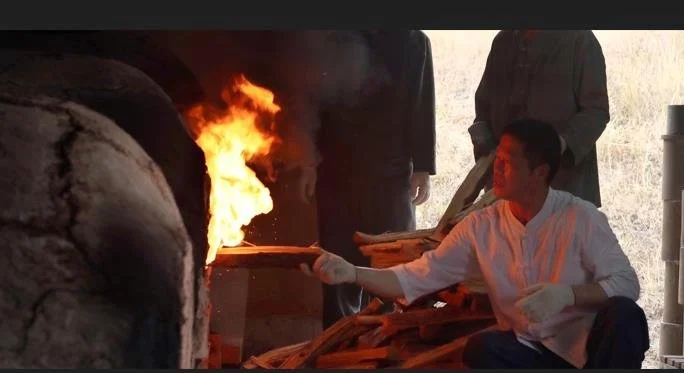
Traditional wood firing is a demanding process that requires years of experience, considerable technical skill, and an artistic sensibility. It is an art in itself, mastered by skilled artisans who understand how to work with the unpredictable nature of fire. This fascinating tradition deserves a closer look in a future post.
A Continuing Exploration
Understanding firing temperature is one of the first steps toward appreciating Korean ceramics. Once we begin to recognize the differences in clay bodies, glazes, and firing methods, familiar objects reveal new layers of meaning.
This article offers only a brief introduction to the many traditions of Korean ceramics. In future posts, we will take a closer look at each type, exploring its history, distinctive characteristics, production techniques, and the stories behind remarkable pieces.
From the jade-like beauty of Goryeo celadon to the expressive surfaces of buncheong, the quiet elegance of white porcelain, and the everyday wisdom embodied in onggi, each tradition has a story of its own.
Join us as we explore Korean ceramics, one tradition at a time — discovering the materials, techniques, histories, and fascinating stories that make each piece unique.
